

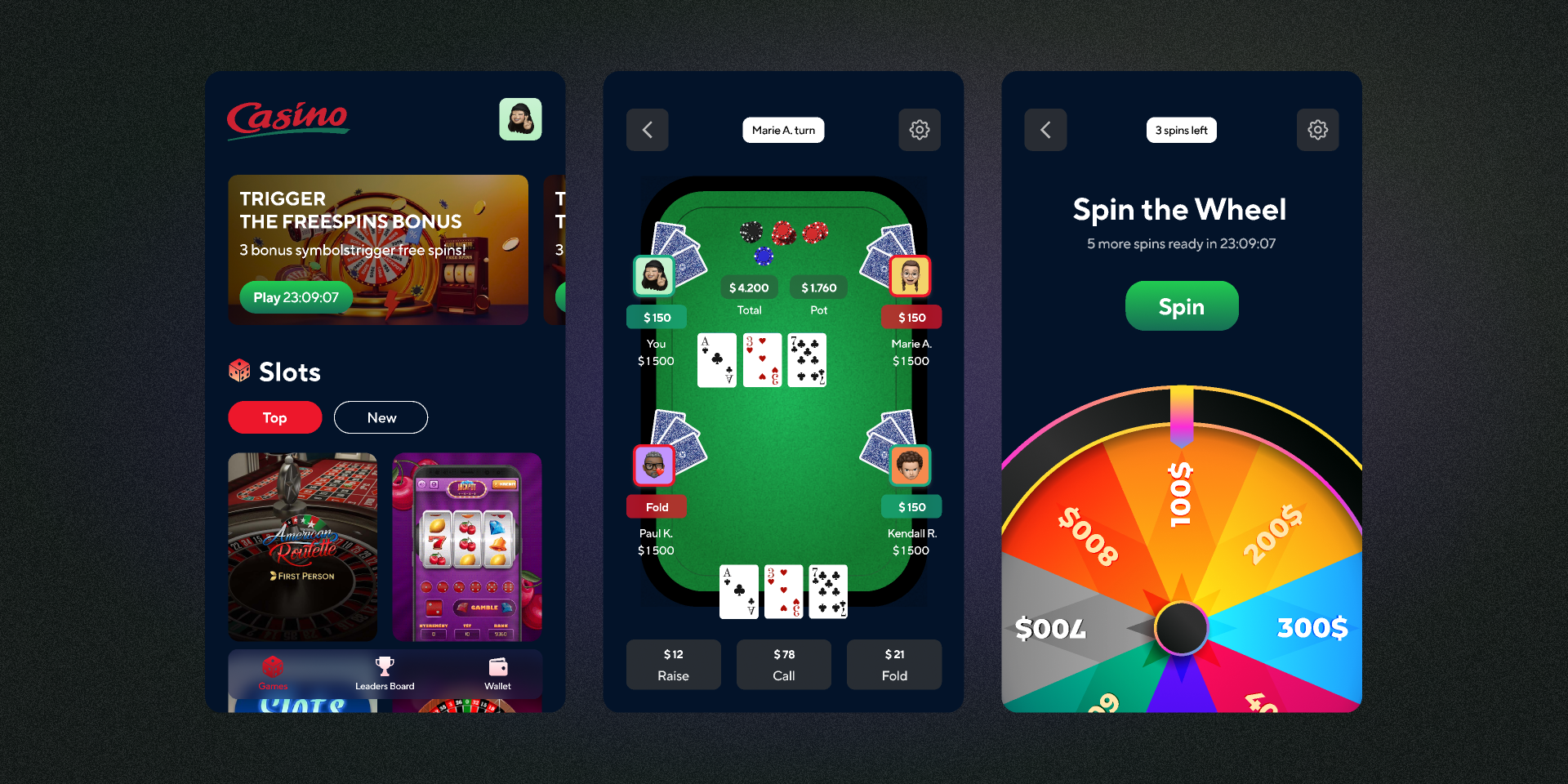
In the rapidly evolving digital entertainment landscape, online gambling has transformed from a niche pastime into a sophisticated global industry. For technology professionals and discerning users alike, selecting a platform is not merely about the games on offer—it is a critical evaluation of software architecture, security protocols, and user experience design. A poorly constructed gambling site exposes users to financial risk, data breaches, and frustrating latency issues. Conversely, a well-engineered platform delivers seamless performance, robust encryption, and transparent operations.
This article examines the essential technical and operational features that distinguish a superior online gambling site from a mediocre one. Whether you are an end-user seeking a reliable platform or a developer benchmarking industry standards, these criteria form the foundation of a trustworthy digital gambling environment.
1. Licensing, Regulation, and Security Infrastructure
The first and most non-negotiable feature of any reputable online gambling site is its licensing and regulatory compliance. Legitimate operators are licensed by recognized authorities such as the Malta Gaming Authority (MGA), the UK Gambling Commission (UKGC), or the Gibraltar Regulatory Authority. These bodies enforce strict standards regarding fair play, fund segregation, and responsible gambling tools.
Encryption and Data Protection
From a technical standpoint, the site must employ end-to-end TLS 1.3 encryption for all data transmissions. This ensures that personal information, login credentials, and financial transactions remain inaccessible to malicious third parties. Additionally, look for platforms that utilize tokenization for payment processing, which replaces sensitive card data with unique identifiers, reducing the risk of exposure.
Random Number Generation (RNG) Certification
Fairness in gambling is not a matter of trust—it is a matter of mathematics. Reputable sites use certified Random Number Generators (RNGs) audited by independent testing agencies such as eCOGRA or iTech Labs. These audits verify that game outcomes are statistically random and that the house edge aligns with published return-to-player (RTP) percentages.
2. Game Diversity and Software Providers
A platform’s game library reflects its technical partnerships. The best online gambling sites aggregate content from multiple leading software developers, including Microgaming, NetEnt, Playtech, Evolution Gaming, and Pragmatic Play. This diversity ensures a mix of slot titles, table games, live dealer experiences, and niche offerings like crash games or virtual sports.
Live Dealer Integration
Live dealer games require low-latency video streaming and real-time interaction. Evaluate whether the site supports HTML5-based live streams without requiring third-party plugins. The best implementations offer multiple camera angles, chat functionality, and adaptive bitrate streaming to accommodate varying internet speeds.
Mobile Optimization
Given that over 60% of online gambling traffic originates from mobile devices, the site must be fully responsive. Look for progressive web app (PWA) capabilities or native iOS/Android applications. Touch controls, portrait and landscape orientation support, and minimal load times are non-negotiable for a professional-grade mobile experience.
3. Payment Methods, Speed, and Financial Security
The efficiency of a gambling site’s banking module directly impacts user satisfaction. A superior platform offers a diverse range of deposit and withdrawal options, each with transparent processing times and minimal fees.
| Credit/Debit Card | Instant | 1–5 business days | 3D Secure authentication |
| E-Wallets (Skrill, Neteller) | Instant | Within 24 hours | Two-factor authentication |
| Cryptocurrency (BTC, ETH) | 10–30 minutes | 10–60 minutes | Blockchain immutability |
| Bank Transfer | 1–3 business days | 3–7 business days | Bank-level encryption |
Beyond speed, the site must implement Know Your Customer (KYC) and Anti-Money Laundering (AML) procedures. While these may seem cumbersome, they are hallmarks of a legally compliant operator. Look for automated identity verification using AI-driven document scanning to minimize friction.
4. User Interface, Navigation, and Accessibility
A cluttered, slow, or confusing interface is a dealbreaker. The best gambling sites prioritize intuitive information architecture. Key elements include:
- Global search functionality with filters for game type, provider, volatility, and RTP.
- Quick deposit and withdrawal shortcuts accessible from any page.
- Customizable dashboards allowing users to pin favorite games or set session limits.
- Dark mode and high-contrast themes for reduced eye strain during extended play.
- Accessibility compliance with WCAG 2.1 guidelines, including screen reader support and keyboard navigation.
Performance metrics matter: top-tier sites achieve sub-200ms interaction latency and maintain 99.9% uptime. Real-time server status pages and transparent maintenance schedules are signs of professional operational management.
5. Bonuses, Promotions, and Transparency
Welcome bonuses and free spins are common, but the fine print distinguishes ethical operators from predatory ones. Evaluate the following:
Advanced platforms now offer dynamic bonuses powered by machine learning, tailoring promotions to individual play patterns without compromising fairness.
6. Customer Support and Responsible Gambling Tools
Even the most robust platform encounters user issues. The quality of customer support is a direct reflection of the operator’s commitment to its users. Look for:
- 24/7 live chat with human agents, not just chatbots (though AI assistants for basic queries are acceptable).
- Multiple channels: email, phone, and ticketing systems with defined response time SLAs.
- Multilingual support covering major markets.
- Self-service knowledge bases with searchable FAQs and video tutorials.
Responsible gambling features are equally critical. A professional site provides deposit limits, loss limits, session timers, self-exclusion options, and reality checks. These tools should be easy to find—not buried in account settings—and enforced at the server level, not just the client side.
Conclusion
Selecting an online gambling site requires a methodical evaluation of its licensing, security architecture, game diversity, payment efficiency, interface design, bonus transparency, and support infrastructure. For technology professionals, these features represent a fascinating intersection of cryptography, real-time data streaming, and user-centered design. For everyday users, they are the difference between a secure, enjoyable experience and a risky, frustrating one. By prioritizing the criteria outlined above, you can confidently identify platforms that meet the highest standards of the digital gambling industry.